How to Find the Best Ensalada Mixta Near You: A Foodie’s Guide
July 26, 2026
OB Wheel Calculator: Your Guide to Accurately Predicting Your Pregnancy Due Date
July 28, 2026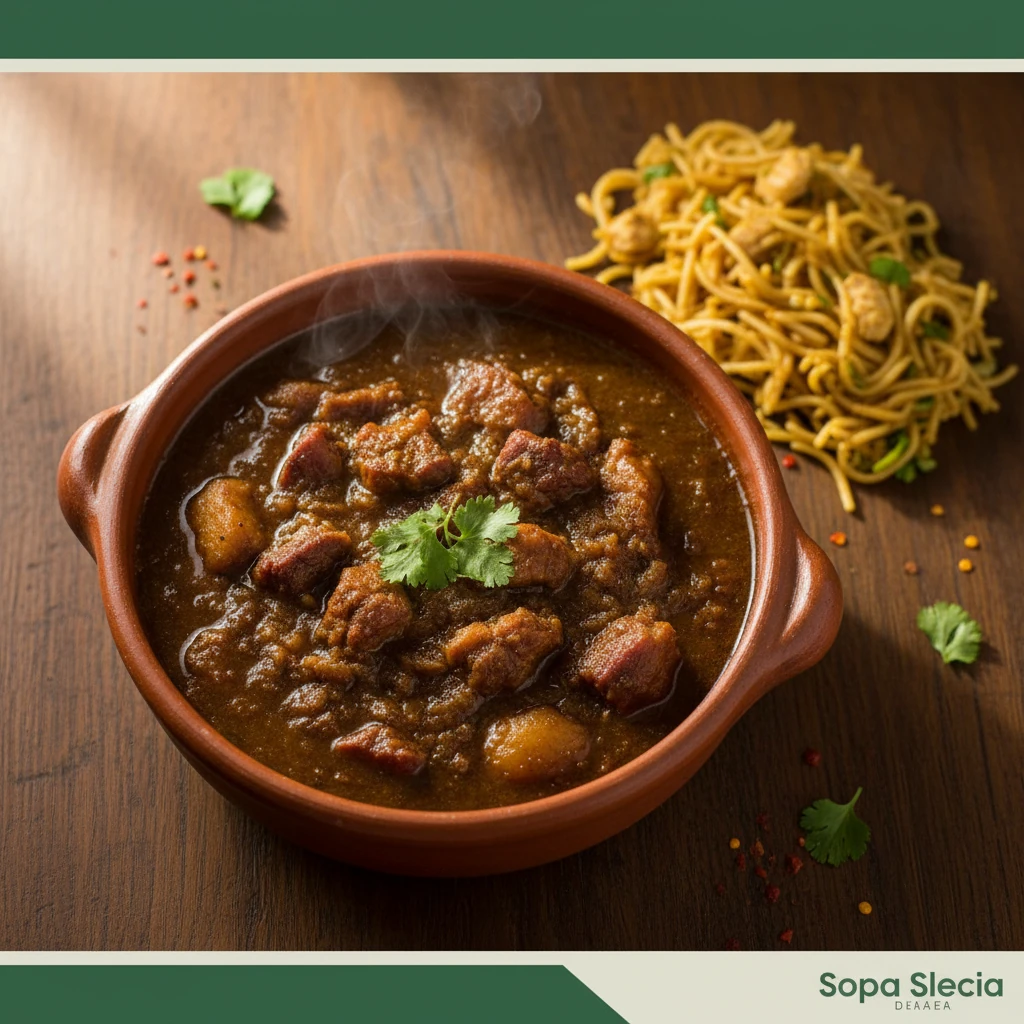
What is Carapulcra? A Glimpse into Peru’s Culinary History
Carapulcra is more than just a pork stew; it’s a culinary time capsule, a dish with roots stretching back centuries into the heart of the Andes. Considered by many culinary historians to be one of Peru’s oldest surviving dishes, its story is a testament to the nation’s rich and layered history. To truly appreciate the bowl of carapulcra you’re searching for, it’s essential to understand its profound origins.
The Ancient Origins of a Hearty Stew
The foundation of carapulcra lies in the ingenious agricultural practices of ancient Andean civilizations. The name itself comes from the Aymara language, where qala phurk’a means “stew made with hot stones.” Originally, it was a simple, rustic meal made from llama or alpaca meat and, most importantly, papa seca (dried potato), cooked in clay pots with hot stones. This makes it a truly an ancient Andean dish that predates the Spanish conquest.
With the arrival of the Spanish and later, the significant influence of Afro-Peruvian culture, particularly in the coastal region of Chincha, the dish evolved. Pork and chicken were introduced, replacing the traditional camelid meats. Spices like garlic, cumin, and cloves were incorporated, adding new layers of complexity. The Afro-Peruvian community, in particular, made the dish their own, infusing it with their culinary traditions and creating the rich, savory stew we recognize today. The dish’s evolution is a fascinating narrative, a kind of culinary biography. This fusion of Incan ingenuity, Spanish ingredients, and African soul is what makes carapulcra a quintessential example of Peruvian criollo cuisine.
The Anatomy of an Authentic Carapulcra: What to Look For
When you’re on the hunt for the best carapulcra near me, you’re not just looking for a stew; you’re looking for a specific combination of textures and flavors. A truly great carapulcra is a balancing act. Here’s what separates an average version from an unforgettable one.
The Star Ingredient: Papa Seca (Dried Potato)
The single most important element of an authentic carapulcra is the papa seca. This is not your everyday potato. Papa seca is made from potatoes that have undergone a traditional, natural preservation process of being boiled, peeled, chopped, sun-dried, and stored. This ancient technique, developed in the high Andes, transforms the potato’s texture and concentrates its flavor.
When rehydrated and cooked in the stew, papa seca doesn’t dissolve or become mushy like a fresh potato. Instead, it develops a wonderfully unique, slightly chewy, and firm texture that provides a delightful resistance with each bite. Its flavor is earthy and nutty, absorbing the savory notes of the stew while contributing its own distinct character. If a carapulcra is mushy or tastes like a simple potato stew, the papa seca was likely not prepared correctly or, in some cases, substituted. The texture of the papa seca is the first and most critical sign of authenticity.
The Flavor Base: Aji Panca, Garlic, and Spices
The deep, reddish-brown color and smoky, complex flavor of a great carapulcra come from its aderezo, or flavor base. The star of this base is the aji panca, a Peruvian chili pepper that is more smoky and fruity than it is spicy. It provides a deep, burgundy color and a rich, berry-like flavor with hints of smokiness, but without overwhelming heat. A good carapulcra should be flavorful and aromatic, not fiery hot.
Alongside aji panca, you’ll find a generous amount of garlic, onions, and a carefully selected blend of spices. Cumin is almost always present, lending its earthy warmth. Many traditional recipes also include a touch of ground cloves and cinnamon, which add a subtle, surprising sweetness that balances the savory pork and smoky chili. Some chefs also add a splash of red wine or a piece of chocolate to deepen the flavor and color, a secret that adds another layer of complexity to the final dish.
The Protein: Traditional Pork and Chicken Variations
Traditionally, carapulcra is made with pork (chancho). For the most flavorful result, chefs use cuts that have a good amount of fat, like pork shoulder or pork belly. The fat renders down during the long, slow cooking process, enriching the stew and making the meat incredibly tender and succulent. The pork should be so soft that it can be easily shredded with a fork, having fully absorbed the flavors of the aji panca and spices.
Many restaurants also offer a chicken (pollo) version or a mixed version with both pork and chicken. While chicken is a perfectly delicious option, the pork version is considered the classic standard. When you find a place that takes pride in its tender, flavorful pork, you know you’re in good hands.
Your Step-by-Step Guide to Finding the Best Carapulcra Near You
Now that you know what to look for, it’s time to start your search. Finding a hidden gem that serves authentic Peruvian food requires a bit of strategy. Don’t just type “Peruvian food near me” and hope for the best. Here’s a more effective approach.
Step 1: Master Your Online Search (Google Maps, Yelp, etc.)
Start with your favorite search app, but be specific. Instead of a general search, use more targeted keywords. Try searching for:
- “Carapulcra near me”
- “Peruvian restaurant carapulcra”
- “Carapulcra con sopa seca”
- “Manchapecho” (the nickname for the combined dish)
- “Comida criolla peruana” (Peruvian criollo food)
Once you have a list of potential restaurants, dive into their online menus. Don’t just look for the word “carapulcra.” See if it’s listed under a “Platos de Fondo” (Main Dishes) or “Especialidades” (Specialties) section. Its presence as a standalone specialty is often a good sign.
Step 2: How to Read Reviews Like a Food Critic
Reviews are your best friend, but you need to know how to interpret them. A generic “5 stars, great food!” review is less helpful than a detailed comment from someone who knows the dish. Sifting through reviews to find genuine feedback can sometimes feel like you’re trying to solve a puzzle. Look for reviews that mention specific keywords:
- “Authentic” or “Auténtico”: Especially powerful when it comes from a reviewer with a Spanish-sounding name or someone who mentions their Peruvian heritage.
- “Sabor de casa” or “Taste of home”: This is high praise, suggesting the food has the comforting, traditional quality of a home-cooked meal.
- Comments on the papa seca: Look for descriptions of the texture. Phrases like “perfectly chewy papa seca,” “the texture was on point,” or “la papa seca estaba en su punto” are green flags.
- Praise for the pork (chancho): Mentions of “tender pork,” “flavorful chancho,” or “juicy meat” indicate the protein is well-prepared.
- Mentions of aji panca: A reviewer who notes the “smoky flavor of the aji panca” is likely a discerning diner.
Conversely, be wary of reviews that complain about the potatoes being “hard” or “undercooked.” This often comes from someone unfamiliar with papa seca and is, ironically, a sign that the restaurant might be making it authentically.
Step 3: Look for ‘Carapulcra con Sopa Seca’
One of the biggest indicators of an authentic spot is the presence of “Carapulcra con Sopa Seca” on the menu. This is a classic combination, especially beloved in the Chincha region, the heartland of Afro-Peruvian culture. Sopa seca, which translates to “dry soup,” is not a soup at all. It’s a flavorful dish of noodles seasoned with achiote, garlic, and other spices, often cooked in a savory broth until the liquid is fully absorbed.
When served together, this hearty duo is affectionately known as “Manchapecho,” which humorously translates to “chest-stainer”—a warning about the potential for enthusiastic eating. A restaurant that offers this specific, iconic combination is signaling a deep understanding of Peruvian culinary traditions. According to Peru’s official travel site, understanding the history of Carapulcra and Sopa Seca is key to appreciating this pairing.
Step 4: Ask the Local Peruvian Community
Online searches can only take you so far. The absolute best recommendations often come from word-of-mouth. Seek out the local Peruvian community. Look for Peruvian community groups on social media platforms like Facebook. Politely post a question asking where you can find the best, most traditional carapulcra in the area. You’ll likely be flooded with passionate recommendations for restaurants that may not even have a strong online presence.
Another great strategy is to visit a local Peruvian or Latin American grocery store, bakery (panaderia), or butcher shop. Strike up a conversation with the staff or other customers. Ask them where they go when they’re craving a taste of home. This is how you find the true hidden gems.
Perfect Pairings: What to Order With Your Carapulcra
You’ve found the spot and you’re ready to order. To complete your authentic Peruvian dining experience, consider pairing your carapulcra with the right accompaniments.
For drinks, you can’t go wrong with a classic Chicha Morada. This beautiful, deep purple beverage is made from Peruvian purple corn, boiled with pineapple rinds, cinnamon, and cloves. It’s sweet, slightly spiced, and incredibly refreshing—the perfect drink to balance the rich, savory notes of the stew. Another iconic choice is Inca Kola, the bright yellow, bubblegum-flavored soda that is a national obsession in Peru.
If you’re in the mood for an alcoholic beverage, a Pisco Sour is the quintessential Peruvian cocktail. Made with pisco (a grape brandy), lime juice, simple syrup, egg white, and a dash of bitters, it’s a frothy, tangy, and potent start to your meal.
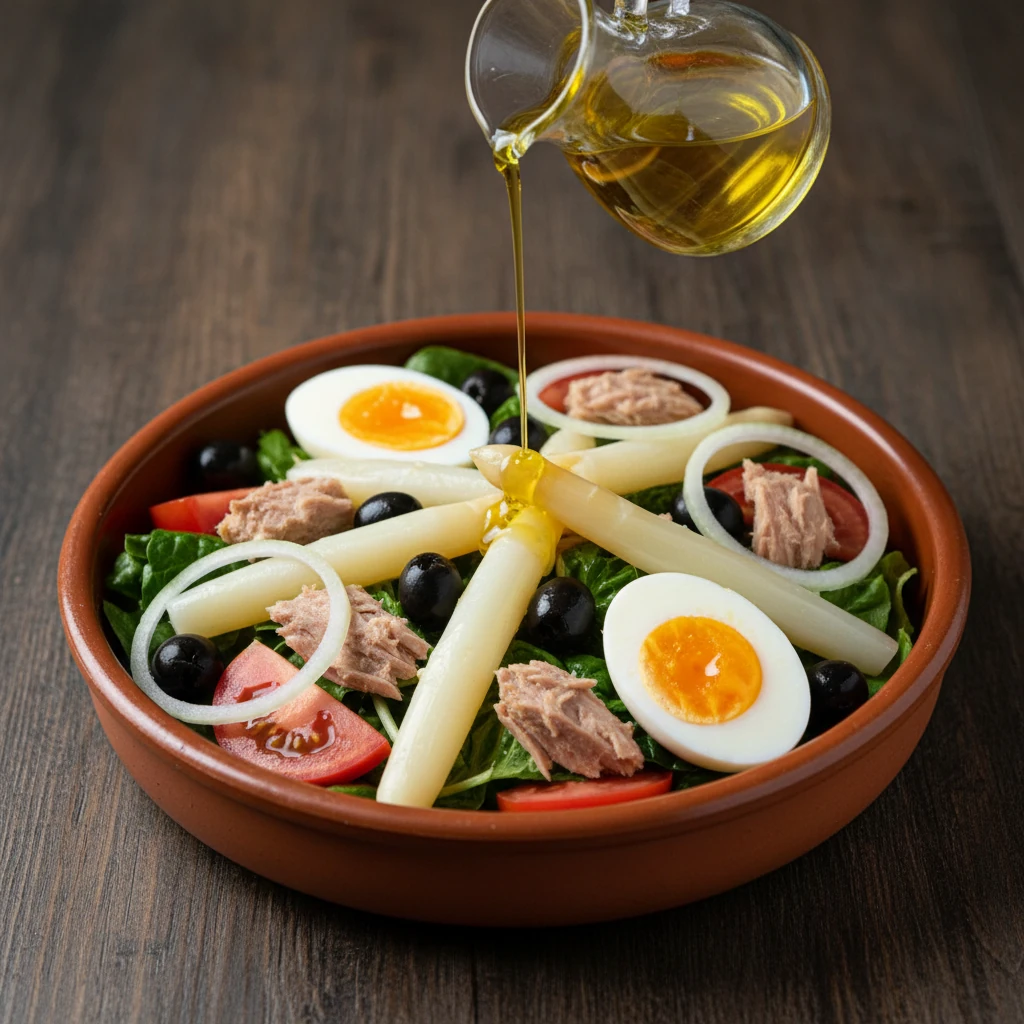
While carapulcra con sopa seca is a full meal in itself, some find it helpful to have a bit of freshness to cut through the richness. A simple side salad of lettuce, tomato, and onion with a light lime vinaigrette can be a welcome addition. For ideas on what constitutes a great Peruvian salad, you might find inspiration in our guide to finding the best Ensalada Mixta.
Frequently Asked Questions About Carapulcra
As you embark on your search, you might still have a few questions. Here are answers to some of the most common ones.
What is carapulcra?
Carapulcra is a traditional Peruvian stew made from dried potatoes (papa seca) and pork or chicken. It is seasoned with aji panca chili, garlic, and other spices, resulting in a rich, smoky, and savory dish with a unique chewy texture.
What makes a carapulcra ‘good’ or ‘authentic’?
An authentic carapulcra is defined by three key things: the correct texture of the papa seca (chewy, not mushy), the deep, smoky flavor from high-quality aji panca, and tender, flavorful meat (traditionally pork) that has been slow-cooked in the stew.
What is the difference between carapulcra and carapulcra con sopa seca?
Carapulcra is the stew itself. “Carapulcra con Sopa Seca” is the name of the combined dish, where the stew is served alongside or on top of sopa seca, which are seasoned noodles. This combination is a classic pairing, especially popular in the Chincha region of Peru.
What does carapulcra taste like?
Carapulcra has a complex and deeply savory flavor profile. It’s earthy and nutty from the dried potatoes, smoky and slightly fruity from the aji panca, and rich from the slow-cooked pork. Spices like cumin, cloves, and sometimes cinnamon add warmth and a hint of sweetness. The texture is its most unique quality: a hearty stew with tender meat and pleasantly chewy bites of potato.
Your quest to find the best carapulcra near me is more than just a search for dinner; it’s an exploration of one of South America’s most historic and beloved dishes. Armed with the knowledge of what makes this stew so special—from its ancient Andean roots to the critical role of papa seca—you are now ready to be a discerning diner. Follow the steps, read the reviews with a critical eye, and don’t be afraid to connect with the local community. The reward will be a steaming, fragrant bowl of history, culture, and incredible flavor.