Success100x.com Factors: Complete Guide to 100x Personal and Business Growth
July 9, 2026
Finding the Best Carapulcra Near Me: A Foodie’s Guide to Peru’s Hearty Stew
July 26, 2026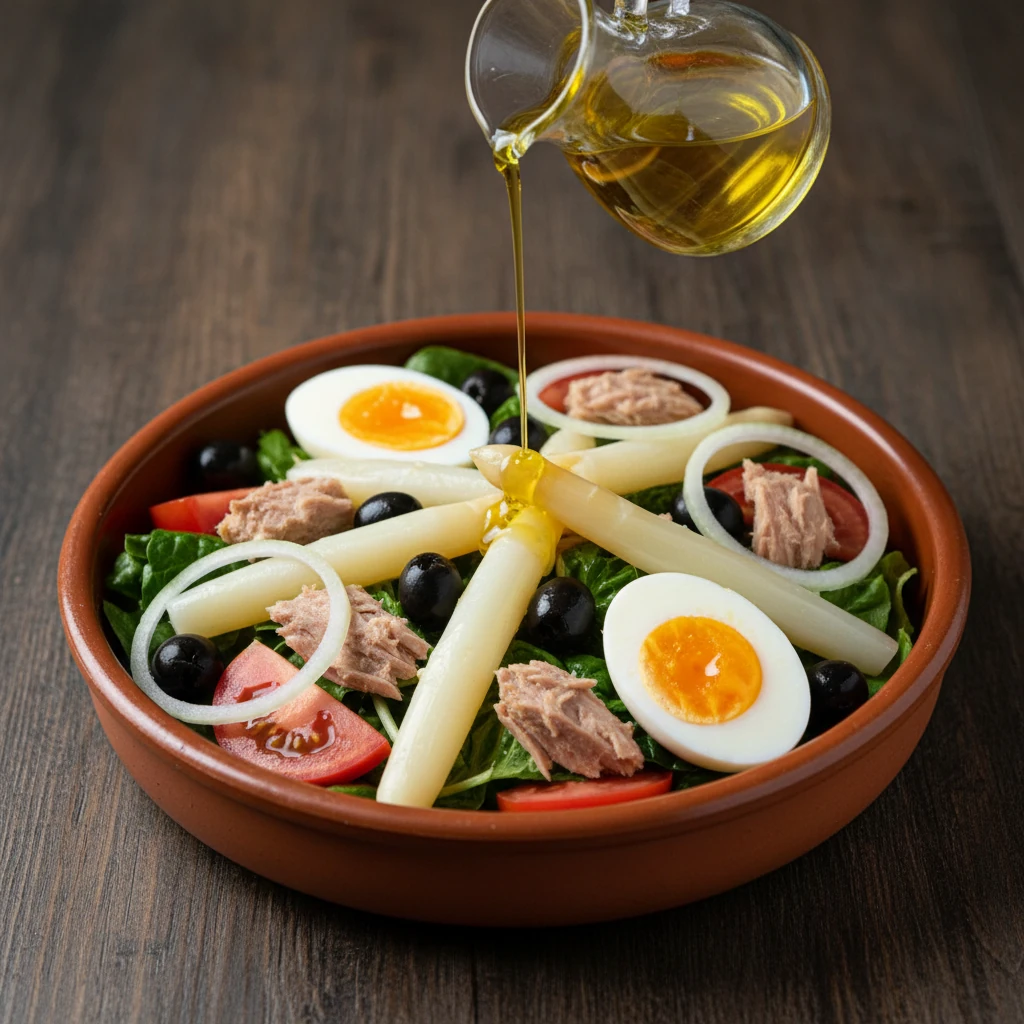
If you’ve ever traveled through Spain, you’ve undoubtedly encountered the ensalada mixta. It’s a fixture on nearly every *menú del día* and a beloved staple in Spanish homes. Far more than a simple side salad, a true ensalada mixta is a vibrant, satisfying dish that tells a story of regional ingredients and culinary tradition. But for those of us back in the United States, the search for the best ensalada mixta near me can feel like a quest for a hidden gem. Many so-called “mixed salads” fall short, lacking the key components and quality that define the authentic experience.
So, how do you find a great one? The best ensalada mixta near you is likely served at an authentic Spanish or tapas restaurant that pays close attention to ingredient quality, particularly the tuna and olive oil. This guide will equip you with the knowledge to identify the real deal, whether you’re dining out or recreating this classic in your own kitchen.
What is Ensalada Mixta? More Than Just a Mixed Salad
To the uninitiated, “ensalada mixta” simply translates to “mixed salad.” While technically correct, this translation fails to capture the essence and cultural significance of the dish. It’s not just a random assortment of vegetables; it’s a specific, thoughtfully composed salad that holds a special place in Spanish cuisine.
The Spanish Staple Explained
In Spain, the ensalada mixta is a versatile and ubiquitous dish. It can be served as a refreshing first course (*primero*), a light main meal on a warm day, or a shared plate among friends at a tapas bar. Its popularity stems from its simplicity, freshness, and the perfect balance of textures and flavors. It represents a style of eating that values high-quality, humble ingredients prepared in a way that lets them shine. This culinary philosophy is a cornerstone of the growing popularity of Spanish cuisine in the United States, a trend supported by market research (Statista Research & Statistics).
Key Differences from an American Garden Salad
While an American garden salad is often a canvas for creamy dressings, croutons, and a wide variety of greens, the Spanish ensalada mixta is more defined. The key differences lie in the core components and the dressing:
- The Protein: The star of an authentic ensalada mixta is almost always high-quality, oil-packed tuna. This is a non-negotiable for many purists. A hard-boiled egg is also a standard feature, adding another layer of protein and richness.
- The Vegetables: While it starts with a base of crisp lettuce and ripe tomato, an ensalada mixta often includes distinctly Spanish ingredients like briny olives, sharp white onion, and tender spears of canned white asparagus.
- The Dressing: Forget ranch or blue cheese. The dressing for an ensalada mixta is a simple vinaigrette, typically made from just two high-quality ingredients: Spanish extra virgin olive oil and a good vinegar (like sherry or red wine vinegar), plus a pinch of salt. The focus is on complementing the ingredients, not masking them.
The Anatomy of an Authentic Ensalada Mixta
Understanding the components of a classic ensalada mixta is the first step to identifying a great one. While there are regional variations, a traditional version is built on a foundation of specific, high-quality ingredients.
Core Ingredients You Should Always See
At its heart, a proper ensalada mixta should contain the following elements, arranged with care rather than just tossed together:
- Lettuce: A crisp lettuce is essential to provide a refreshing, crunchy base. Romaine is a popular choice, as is the heart of an iceberg lettuce head for its superior crunch.
- Tomato: Ripe, flavorful tomatoes are a must. They are typically cut into wedges and should be sweet and juicy.
- Onion: Thinly sliced white or yellow onion adds a sharp, pungent bite that cuts through the richness of the other ingredients.
- Hard-Boiled Egg: A perfectly cooked hard-boiled egg, usually quartered or halved, provides creaminess and substance.
The Star of the Show: High-Quality Tuna and Olive Oil
If a restaurant gets these two things right, you’re on the right track. The quality of the tuna and olive oil can make or break an ensalada mixta.
The tuna should be packed in olive oil, not water. Water-packed tuna is often dry and flavorless, whereas oil-packed tuna is moist, rich, and falls apart into beautiful, large flakes. The gold standard is *Bonito del Norte*, a white meat tuna from the Cantabrian Sea, known for its delicate texture and exquisite flavor. If you see this mentioned on a menu, it’s a very good sign.
The olive oil, used both in the dressing and often for packing the tuna, is equally important. A good Spanish extra virgin olive oil (EVOO) will have a fruity, slightly peppery flavor that elevates the entire salad. The dressing should taste of this wonderful oil, balanced by a splash of acidic vinegar.
Common Variations and Optional Add-ins
Part of the beauty of the ensalada mixta is its adaptability. Depending on the region of Spain or the chef’s preference, you might find several other delicious additions. These are not necessarily required for authenticity, but they are common and welcome enhancements. This flexibility is common in many cuisines, leading to a wide variety of dishes that fall under the umbrella of mixed salads, a concept well-documented across many cultures (Spanish mixed salad (ensalada mixta)).
Common additions include: For more insights, check out our guide on Colby Donaldson Net Worth: Inside the Life, Career, and Earnings of the Survivor Legend.
- White Asparagus: Thick, tender spears of canned white asparagus are a classic and beloved addition, offering a unique, slightly earthy flavor.
- Olives: Both green and black olives are common. Spanish Manzanilla olives are a frequent choice.
- Piquillo Peppers: These sweet, smoky red peppers from northern Spain add a beautiful color and a complex, sweet flavor.
- Sweet Corn: Kernels of sweet corn are a very common sight in many modern ensaladas mixtas in Spain, adding a pop of sweetness and texture.
- Shredded Carrots: For extra color and crunch.
- Beets: Sometimes, you’ll find cooked and sliced beets, which add an earthy sweetness.
Your Guide to Finding the Best Ensalada Mixta Near You
Now that you’re an expert on what to look for, it’s time to start your search. Finding an authentic Spanish restaurant is key to satisfying your craving.
Using Google Maps and Yelp Effectively
Your smartphone is your best tool in this quest. Here’s how to use it strategically:
- Broaden Your Search Terms: Don’t just search for “ensalada mixta near me.” Try broader terms like “Spanish restaurant,” “tapas bar,” or “authentic Spanish food.” These will yield more results.
- Scan the Menu: Once you find a potential restaurant, go directly to their online menu. Look for the salad section. Does it list an “Ensalada Mixta”? Read the description carefully.
- Analyze Photos: This is crucial. Look at user-submitted photos of the ensalada mixta on Yelp, Google Maps, or the restaurant’s social media. Does it look vibrant and well-composed? Can you see large flakes of oil-packed tuna? Are there classic ingredients like white asparagus or hard-boiled eggs?
- Read Reviews: Use the search function within the reviews page. Search for “ensalada mixta,” “tuna,” or “salad.” See what other diners have said. Comments like “The tuna was amazing, just like in Spain!” are a great sign.
What to Look for on Restaurant Menus and Reviews
When you’re scrutinizing a menu, look for signs of authenticity. A detailed description is better than a vague one. “Mixed salad with tuna” is generic. “Ensalada Mixta with Bonito del Norte tuna, white asparagus, and sherry vinaigrette” shows a commitment to quality and tradition. The presence of other classic Spanish dishes like *croquetas*, *patatas bravas*, or *paella* also indicates the restaurant has a genuine focus on Spanish cuisine.
Red Flags: How to Spot an Inauthentic Salad
Just as there are green flags, there are also red flags that suggest you might be disappointed:
- Creamy Dressings: If the only dressing options are ranch, Caesar, or a heavy vinaigrette, it’s not an authentic ensalada mixta.
- Wrong Ingredients: The presence of croutons, bacon bits, cheddar cheese, or grilled chicken signals an Americanized version.
- Poor Quality Tuna: If the photos show a dry, shredded, grey-looking tuna, it’s likely the cheap water-packed variety.
- Wilted or Boring Greens: A sad, sparse base of only pale iceberg lettuce with no other quality components is a bad sign.
Can’t Find One? Make Your Own Perfect Ensalada Mixta at Home (Simple Recipe)
Sometimes the best way to get exactly what you want is to make it yourself. Creating an authentic ensalada mixta at home is surprisingly simple and incredibly rewarding. The key is to source the best possible ingredients.
Ingredient Checklist
For the Salad:
- 1 head of Romaine lettuce, washed, dried, and torn into bite-sized pieces
- 2 ripe, medium-sized tomatoes, cut into wedges
- 1/2 white onion, sliced very thinly
- 2 hard-boiled eggs, peeled and quartered
- 1 (5-ounce) can of high-quality Spanish oil-packed tuna (preferably Bonito del Norte), drained but reserving a little oil
- 1 (8-ounce) can or jar of white asparagus spears, drained
- 1/2 cup Spanish olives (like Manzanilla or Arbequina)
- Optional: 1/2 cup roasted piquillo peppers, sliced
For the Vinaigrette:
- 4 tablespoons Spanish extra virgin olive oil
- 1.5 tablespoons sherry vinegar or red wine vinegar
- Salt to taste
Step-by-Step Instructions
- Prepare the Vinaigrette: In a small bowl or jar, whisk together the extra virgin olive oil, vinegar, and a generous pinch of salt until emulsified. Taste and adjust if necessary.
- Build the Base: Arrange the crisp lettuce leaves on a large, shallow platter or in a wide bowl. This is traditionally served on a platter, not tossed in a deep bowl.
- Arrange the Ingredients: Artfully arrange the tomato wedges, hard-boiled egg quarters, and white asparagus spears over the lettuce. Scatter the thinly sliced onions and olives across the salad.
- Add the Tuna: Break the oil-packed tuna into large, generous flakes with a fork and place them in the center of the salad.
- Dress and Serve: Just before serving, drizzle the vinaigrette evenly over the entire salad. Serve immediately and enjoy the taste of Spain.
Frequently Asked Questions (FAQ)
What wine pairs well with ensalada mixta?
A crisp, dry Spanish white wine is a perfect pairing. Look for an Albariño from Rías Baixas or a Verdejo from Rueda. A dry Spanish rosado (rosé) also works beautifully.
Is ensalada mixta healthy?
Yes, it’s a very healthy and balanced dish. It’s packed with fresh vegetables, lean protein from the tuna and eggs, and healthy fats from the olive oil. It’s a staple of the Mediterranean diet for a reason.
Can I use a different kind of fish?
While oil-packed tuna is traditional, you could substitute it with other high-quality canned fish like mackerel or sardines in olive oil for a different but equally delicious flavor profile.
Why is it served on a platter instead of in a bowl?
Serving it on a platter allows each ingredient to be seen and selected. It turns the salad into a beautiful mosaic of colors and textures, and it prevents the ingredients at the bottom from getting soggy, which can happen in a deep bowl. It encourages a shared, communal style of eating.
Your journey to find the best ensalada mixta near me is more than just a food search; it’s an exploration of Spanish culture. By knowing what to look for—the high-quality tuna, the simple yet flavorful vinaigrette, the classic combination of ingredients—you can bypass the imitations and find a truly authentic experience. And if your search comes up empty, you now have the power to bring that perfect, vibrant taste of Spain right into your own home. ¡Buen provecho!