The Ultimate Guide to Finding the Best Tarta de Brócoli Near Me
July 31, 2026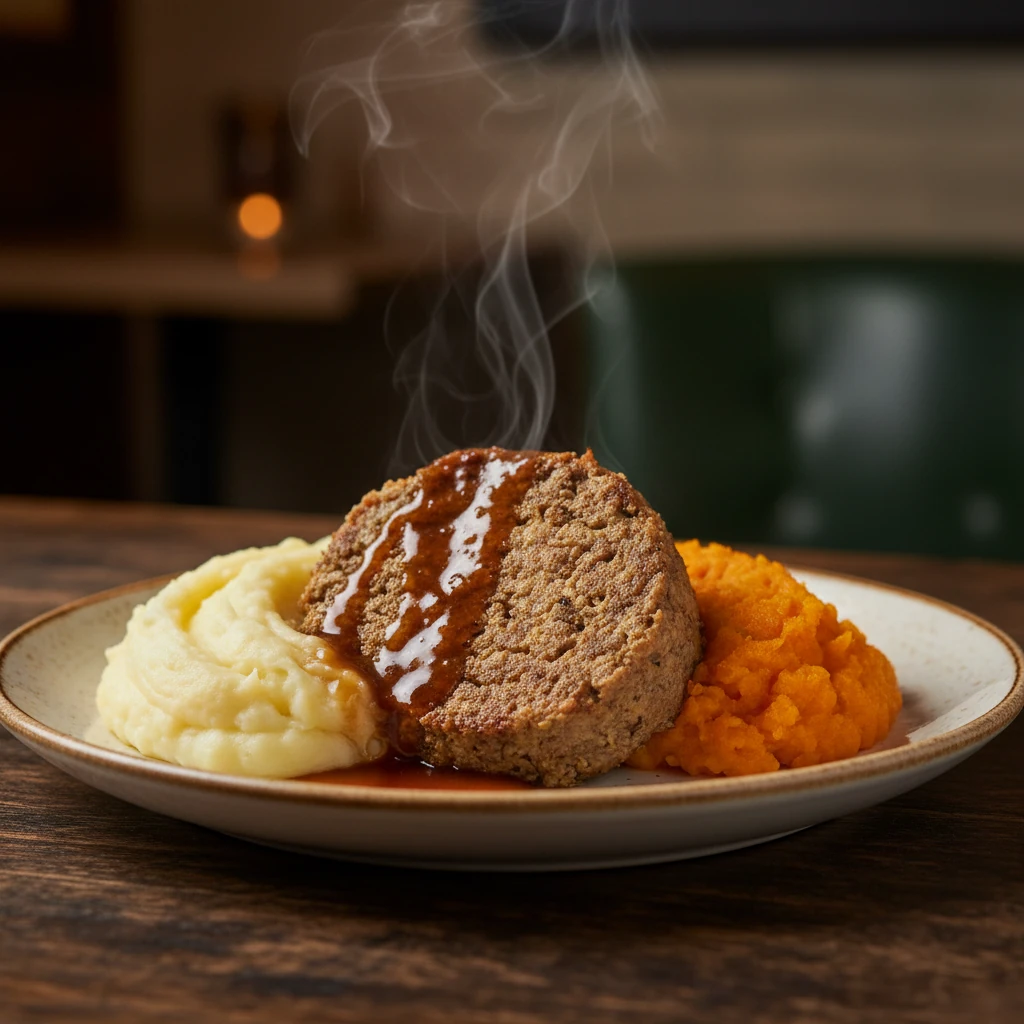
It’s the most famous dish you’ve probably never tried. Whispered about in culinary circles and celebrated with poetry, haggis is more than just a meal—it’s an experience. For many Americans, whether you have Scottish roots or are just a curious foodie, the search for the best haggis with neeps and tatties near me can feel like a genuine quest. You’ve heard the stories, you know the name, but where do you actually find it?
Forget the myths and the jokes. Real, well-made haggis is a triumph of savory, peppery, and earthy flavors. It’s a hearty, satisfying dish that warms you from the inside out. This guide is your map to finding this iconic piece of Scottish cuisine right here in the United States. We’ll cover what it is, where to look, and what separates a truly great plate from a mediocre one.
A Taste of Scotland: What is Haggis with Neeps and Tatties?
Before you can find the best, you need to know what you’re looking for. The trio of haggis, neeps, and tatties is the quintessential Scottish comfort food. Each component plays a critical role, creating a balanced and deeply flavorful plate.
Haggis: The Star of the Show
At its heart, haggis is a savory pudding. Traditional recipes from Scotland combine sheep’s heart, liver, and lungs (collectively known as ‘pluck’) with minced onion, oatmeal, suet, stock, and a generous blend of spices, most notably black pepper. This mixture is historically encased in the animal’s stomach and simmered. The result is not a uniform meatloaf but a crumbly, moist, and incredibly flavorful dish. The oatmeal provides a wonderful nutty texture, while the spices give it a peppery kick that lingers pleasantly on the palate. The deep history and cultural significance of haggis tie it to a time when no part of a hunted animal was wasted, making it a true nose-to-tail delicacy.
Neeps & Tatties: The Perfect Companions
Haggis is rarely served alone. Its loyal companions are neeps and tatties, providing a creamy and sweet counterpoint to the rich, spicy haggis.
- Tatties: This is the easy one. ‘Tatties’ is simply the Scots word for potatoes. On the plate, they are almost always served mashed—creamy, buttery, and fluffy. They provide a familiar, comforting base for the meal.
- Neeps: This is where some confusion can arise for Americans. ‘Neeps’ are turnips—specifically, the large, yellow-fleshed variety known in Scotland as a ‘swede’ and in the United States as a ‘rutabaga’. They are not the small white and purple turnips common in US grocery stores. When cooked and mashed, neeps have a sweet, earthy flavor and a beautiful orange hue that brightens the plate.
Together, the peppery haggis, sweet neeps, and creamy tatties create a perfectly balanced and utterly delicious meal.
The Great Haggis Debate: Is It Legal in the US?
Here’s the most important thing to know for your search in the United States: you will not find traditional, imported Scottish haggis. This often comes as a surprise to aspiring haggis hunters. The reason is simple and has been a point of contention for decades.
Understanding the USDA Ban
Since 1971, the United States Department of Agriculture (USDA) has banned the importation of food products containing sheep’s lung. As sheep’s lung is a key ingredient in authentic Scottish haggis, this effectively outlawed the real deal from being sold in the US. The regulation is rooted in food safety concerns from that era, and despite years of lobbying and discussion, the ban remains firmly in place.
American-Style Haggis: What to Expect
So, what are you eating when you order haggis in a US-based Scottish pub? You’re eating American-made, USDA-compliant haggis. But don’t despair. This is not some pale imitation; it’s a legitimate and delicious dish in its own right.
American haggis producers have adapted the recipe by omitting the banned lung and typically using lamb or beef heart and liver, along with the same core ingredients: steel-cut oats, suet, onions, and a signature spice blend. The best American haggis makers have perfected their recipes to closely mimic the texture and flavor profile of their Scottish counterparts.
What to expect from American haggis:
- Flavor: Rich, peppery, and savory, with a deep, meaty taste from the lamb or beef.
- Texture: A pleasant, crumbly texture from the oats, which should be moist but not mushy or greasy.
- Authenticity: While not containing lung, it captures the spirit and essence of the dish. A good chef can make an American haggis that will satisfy even a native Scot.
How to Find the Best Haggis Near You: A Step-by-Step Guide
Now for the main event: finding a place that serves it. Your success will depend on your location, but with the right strategy, you can unearth some hidden gems. The American palate is more adventurous than ever, with a significant portion of diners actively seeking out new international flavors, according to market research from sources like Statista.
Using Online Maps and Review Sites
- Start Broad: Begin by searching for “Scottish pub” or “British pub.” Many pubs that serve haggis won’t advertise it in their name.
- Get Specific: Once you have a list of potential spots, use their internal search functions or read recent reviews. Search for the word “haggis.” Patrons will almost always mention it if they had it.
- Check Menus: Most restaurants post their menus online. Look for it under appetizers (often as “Haggis Bites”) or main courses. If it’s not on the main menu, check for a special events menu, especially around late January.
Searching for Scottish Pubs and Festivals
Look for hubs of Scottish culture. Major cities with historical ties to Scottish and Irish immigration are your best bet. Think New York City, Boston, Chicago, and Philadelphia. These cities often have long-standing pubs that are cultural institutions.
Don’t forget about cultural events:
- Burns Night (January 25th): This is the absolute best time to find haggis. Many Scottish and even some Irish pubs will host a “Burns Supper” with a set menu featuring haggis as the centerpiece. Start looking for these events in early January.
- Highland Games & Scottish Festivals: These events, held throughout the year across the country, almost always have food vendors selling haggis. It’s a great way to try it in a festive atmosphere.
- St. Andrew’s Day (November 30th): Another key date in the Scottish calendar, some establishments will feature haggis specials to celebrate Scotland’s patron saint.
The process of tracking down a specific dish is a rewarding part of being a food lover. It’s a skill that can be applied to finding other unique international foods near you as well.
Key Search Terms to Use
To maximize your search engine results, try a variety of phrases:
- “Scottish restaurant near me”
- “Haggis neeps and tatties [your city]”
- “Burns Night dinner near me”
- “Pub with haggis on menu”
- “Best British pub [your city]”
What Makes a Great Haggis Dish? (What to Look For)
You’ve found a place. It’s on the menu. Now, how do you know if it’s any good? A truly great haggis experience comes down to the quality of the ingredients and the skill of the chef.
Texture and Flavor Profile
The first thing you’ll notice is the texture. Great haggis should be crumbly and coarse from the steel-cut oats, but it must also be moist. Dry, sandy haggis is a sign of a poor-quality product or improper cooking. It shouldn’t be greasy or heavy, but rich and substantial.
The flavor is paramount. It should be boldly savory and deeply meaty, but the dominant flavor note should be a warming, robust black pepper spice. You might also detect other subtle spices like nutmeg or coriander. It should taste complex and rustic, not bland or one-dimensional.
Pro Tip: If you see “Haggis Fritters” or “Haggis Bonbons” on the menu, give them a try! These are balls of haggis, battered and deep-fried, often served with a whisky-mustard dipping sauce. They are a fantastic and accessible introduction to the flavor of haggis.
The Importance of a Good Whisky Sauce
While not strictly traditional (many Scots eat it plain or with a splash of whisky), a creamy whisky sauce has become a standard and beloved accompaniment in pubs worldwide. A good sauce can elevate the entire dish.
Look for a sauce made with cream, a bit of stock, and a decent single-malt Scotch whisky. It shouldn’t be boozy, but the peaty, smoky, or malty notes of the whisky should come through, complementing the peppery haggis beautifully. A thin, watery, or overly alcoholic sauce is a red flag.
Can’t Find It Nearby? Try a DIY American Haggis
What if you’ve searched high and low and there’s simply no haggis to be found in your area? You can make it yourself. Sourcing American-style haggis from a specialty butcher online or even making it from scratch is a rewarding project. The process is similar to making a rustic sausage or meatloaf and is a fantastic weekend cooking adventure. This hands-on approach is a great lesson in itself, much like following a foodie’s guide to finding other hearty dishes from around the world.
You can find many recipes online for USDA-compliant haggis. Look for ones that use lamb heart and liver, steel-cut (not rolled) oats, and a good amount of black pepper. Don’t be intimidated; the steps are straightforward, and the result is a delicious, authentic-tasting meal you can be proud of.
Frequently Asked Questions About Haggis
Let’s tackle a few more common questions you might have on your haggis journey.
What does haggis taste like?
Imagine a very crumbly, peppery, and savory sausage. The flavor is rich and meaty (like lamb or game) with a distinct nutty, earthy background from the oatmeal. The most forward spice is almost always black pepper, which gives it a pleasant, warming heat. It does not have a strong “organ meat” taste; the spices and oats balance the flavor beautifully.
When is Burns Night and why is haggis served?
Burns Night is celebrated annually on January 25th. It commemorates the birthday of Scotland’s national poet, Robert Burns. In 1786, Burns wrote the poem “Address to a Haggis,” a rousing and humorous ode to the dish. As a result, haggis became the centerpiece of the Burns Supper. The dinner involves a ceremonial procession where the haggis is piped in on a silver platter, the poem is recited, and the haggis is theatrically cut open with a dagger (a ‘sgian-dubh’). It’s a celebration of Scottish culture, poetry, and its most iconic food.
Your quest for the best haggis, neeps, and tatties is more than just a search for a meal; it’s a chance to connect with a rich culture and a surprisingly delicious culinary tradition. By continuing to be curious, you can open up a world of flavor, which is the best part of exploring different international cuisines.
So use these tips, start your search, and get ready to raise a glass to Robert Burns. Your Scottish culinary adventure is just a search away. Go find it.