
Who Is Kelly Anne Welbes Abagnale? Everything You Need to Know
June 21, 2026
Do Cadillac Lyriq Driving Modes Change Battery Usage? Everything You Need to Know
June 23, 2026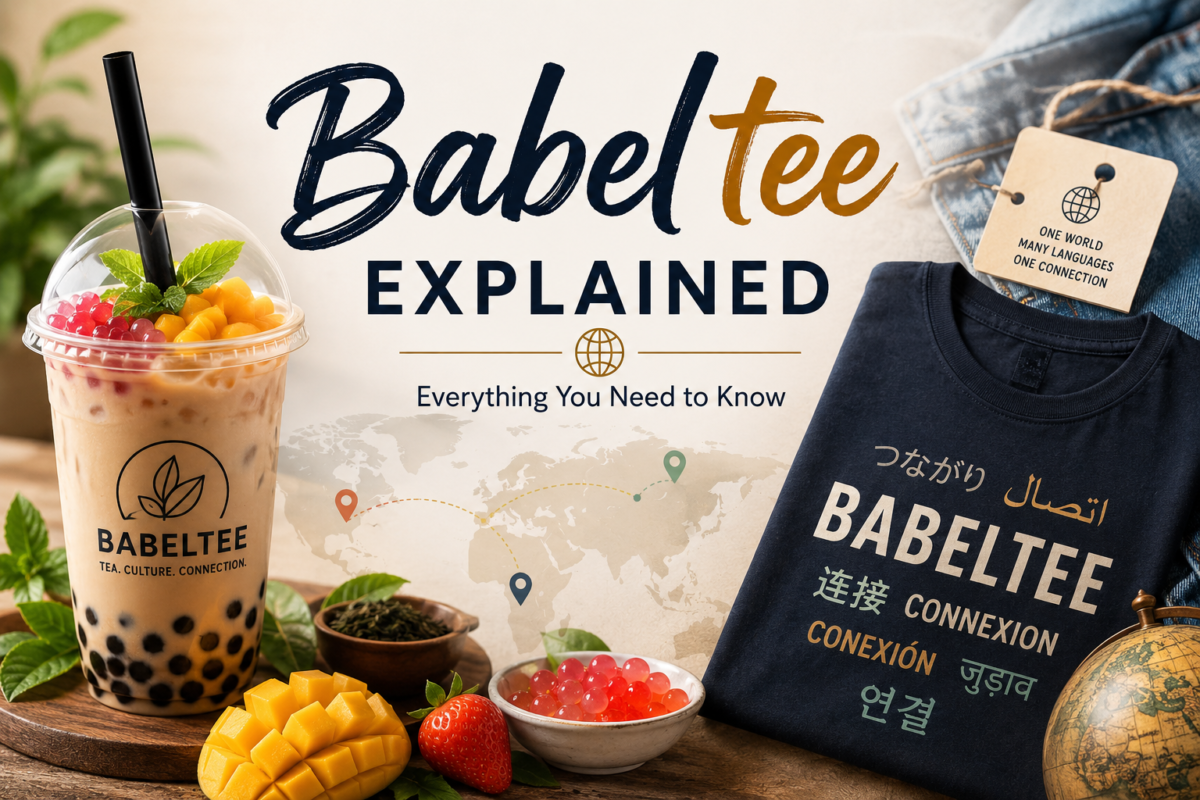
Babeltee is one of those unusual modern terms that seems to arrive before the world has fully agreed on what it means. Search for it, and you may find it described as a tea trend, a lifestyle concept, a multilingual branding idea, a creative apparel movement, or even a symbolic term connected to global communication. That ambiguity is exactly what makes Babeltee interesting. It is not simply a product name or a passing internet phrase; it reflects how culture, commerce, language, wellness, and digital identity now collide in real time.
At its simplest, Babeltee can be understood as a flexible modern concept built around connection. In one context, it refers to a contemporary tea-inspired lifestyle trend influenced by bubble tea, wellness drinks, fresh ingredients, customization, and global café culture. In another context, it points toward multilingual creativity: designs, brands, platforms, or ideas that bring together different languages, cultures, symbols, and communities. The name itself evokes “Babel,” a reference often associated with many languages, mixed voices, and cross-cultural exchange, while “tee” can suggest tea, T-shirts, or casual lifestyle expression.
That layered meaning is why Babeltee deserves more than a simple definition. It sits at the intersection of several major shifts shaping consumer behavior today: people want healthier indulgences, more personal products, cultural identity in what they buy, and brands that feel global without losing individuality. Whether Babeltee becomes a defined brand, a beverage category, a fashion idea, or a broader digital identity concept, its rise shows something important about modern markets: the most powerful ideas are often the ones that can travel across categories.
What Is Babeltee?
Babeltee is best described as an emerging, multi-meaning concept rather than a single fixed product. Depending on where the term is used, it may refer to a modern tea drink, a lifestyle trend, a creative brand name, a multilingual apparel idea, or a symbol of cultural connection. Its meaning is still developing, which gives it unusual flexibility.
In the beverage world, Babeltee is often associated with a lighter, more customizable alternative to traditional bubble tea. Instead of focusing only on milk tea, tapioca pearls, and sweetness, Babeltee-style drinks are usually imagined around fresh tea bases, fruit infusions, herbs, lower sugar options, plant-based milk, botanical flavors, and personalized combinations. It fits the broader consumer movement toward drinks that feel enjoyable but also more mindful.
In branding and digital culture, Babeltee carries another meaning. It can represent language mixing, cultural fusion, and global identity. A Babeltee concept might appear on T-shirts, print-on-demand products, creative campaigns, social content, or digital projects that combine words, scripts, symbols, and cultural references from different parts of the world. In this sense, Babeltee is less about drinking tea and more about communicating identity.
The most accurate way to understand Babeltee is this: it is a modern umbrella term shaped by tea culture, language, fashion, wellness, and internet creativity. Its strength is not that it means only one thing. Its strength is that it can connect several growing trends under one memorable name.
The Meaning Behind the Name
The word “Babeltee” feels intentionally hybrid. “Babel” immediately suggests language, diversity, complexity, and global communication. It brings to mind the idea of many voices existing at once. “Tee,” meanwhile, can be read in multiple ways. It may suggest tea, as in beverage culture. It may also suggest T-shirts, as in casual fashion and self-expression. That double meaning gives the word commercial and cultural range.
This kind of naming is common in modern branding. Strong digital-era names are often short, flexible, and open enough to support different interpretations. Think of how words like “Apple,” “Amazon,” or “Meta” moved beyond their original meanings. Babeltee has a similar open-ended quality. It does not lock itself into one narrow category.
That matters because modern audiences often respond to names that feel like concepts rather than labels. A name with layered meaning can support a drink brand, a fashion line, a community platform, a translation tool, a design movement, or a lifestyle publication. Babeltee’s ambiguity can be a weakness if it is not clearly explained, but it can also be its biggest advantage if used strategically.
Why Babeltee Is Getting Attention
Babeltee is gaining attention because it reflects several cultural trends happening at the same time. Consumers are moving toward personalization, cultural expression, wellness-led consumption, and globally inspired products. Babeltee sits naturally inside all of these movements.
In beverage culture, people are no longer satisfied with basic tea or coffee menus. They want drinks that feel custom-made: less sugar, oat milk, matcha, fruit tea, herbal blends, collagen add-ons, tapioca alternatives, or seasonal flavors. Babeltee fits this environment because it suggests a drink that can be adapted to personal taste.
In fashion and digital identity, people increasingly use clothing, memes, usernames, and online aesthetics to express who they are. A multilingual or culturally mixed T-shirt design can say something about heritage, humor, travel, belonging, or global awareness. Babeltee works well as a term for this kind of cultural remixing.
There is also a search curiosity factor. Because Babeltee is not yet universally defined, people search it to understand what it means. That curiosity creates momentum. The more people encounter the word in different contexts, the more they want a clear explanation. This is how many modern internet terms begin: not as official dictionary entries, but as flexible signals shaped by repeated use.
Babeltee as a Tea and Lifestyle Trend
When viewed as a tea trend, Babeltee belongs to the evolution of global café culture. Bubble tea introduced millions of consumers to customizable tea-based drinks. Matcha cafés popularized ritual, color, and wellness aesthetics. Fruit tea brands brought freshness and visual appeal. Functional beverages added ingredients like herbs, probiotics, adaptogens, and plant-based alternatives.
Babeltee can be seen as a concept that borrows from all of these categories. It may include the fun of bubble tea, the freshness of fruit tea, the wellness appeal of herbal drinks, and the personalization of modern café menus. The result is a drink idea that feels less heavy, less standardized, and more adaptable than traditional sweet milk tea.
A typical Babeltee-inspired drink might start with green tea, black tea, oolong, jasmine tea, or rooibos. It could be mixed with mango, lychee, peach, strawberry, lemon, mint, basil, hibiscus, or ginger. Instead of relying only on tapioca pearls, it might include fruit jelly, aloe vera, chia seeds, popping boba, or no toppings at all. Sweetness could be adjustable, and dairy could be replaced with oat, almond, coconut, or soy milk.
The appeal is clear. Babeltee offers indulgence without feeling outdated. It gives consumers the sensory pleasure of a café drink while allowing them to make choices that feel healthier, more personal, and more globally inspired.
Babeltee and the Evolution of Bubble Tea
To understand Babeltee as a beverage idea, it helps to compare it with bubble tea. Bubble tea became popular because it turned a drink into an experience. The texture of tapioca pearls, the visual appeal of sealed cups, the wide flavor range, and the social nature of ordering made it more than tea. It became a youth culture product.
Babeltee, by contrast, feels like a next-stage interpretation. Where bubble tea is often associated with sweetness, milkiness, and chewy toppings, Babeltee suggests more flexibility. It may be lighter, more ingredient-conscious, more focused on fresh flavors, and more connected to lifestyle branding.
This does not mean Babeltee replaces bubble tea. A better way to see it is as a modern adaptation. Bubble tea created the market for playful tea beverages. Babeltee expands the idea for consumers who still want fun and customization but may also want lower sugar, cleaner ingredients, cultural storytelling, and a more mature café experience.
This mirrors a wider pattern in food and drink. First, a category becomes popular through novelty. Then, it matures through quality, personalization, and health-conscious variations. Coffee went through this evolution. So did smoothies, energy drinks, and plant-based foods. Babeltee fits into that same market logic.
Babeltee as a Branding and Fashion Concept
Beyond beverages, Babeltee has strong potential as a branding and fashion idea. The “tee” part of the word naturally connects to T-shirts, streetwear, casual clothing, and print-on-demand design. In this context, Babeltee can represent apparel that uses multilingual text, cultural symbols, global phrases, or hybrid visual identities.
This is especially relevant in the age of creator commerce. Independent designers no longer need a traditional fashion house to sell products. They can create designs, upload them to print-on-demand platforms, promote them through social media, and reach niche audiences around the world. A Babeltee-style brand could easily live in this space.
Imagine T-shirts that combine Arabic calligraphy with English streetwear typography, Japanese minimalism with French slogans, Urdu poetry with modern graphic design, or African patterns with digital-era messaging. The point is not random cultural mixing. The best version of Babeltee would treat language and identity with respect, turning clothing into a thoughtful expression of connection.
This gives Babeltee commercial depth. It can serve consumers who want fashion that feels personal, global, and meaningful. It can also serve creators who want a brand name broad enough to support many collections, languages, and cultural themes.
The Role of Language and Culture
Language is central to the deeper meaning of Babeltee. In a globalized world, people often live between languages. They may speak one language at home, another at work, another online, and another through entertainment. This multilingual reality shapes identity.
Babeltee captures that condition. It suggests a world where communication is mixed, layered, and constantly translated. That makes the term especially relevant for younger audiences, immigrants, travelers, language learners, remote workers, and globally connected communities.
But cultural mixing must be handled carefully. There is a difference between appreciation and appropriation. A strong Babeltee brand or concept would not simply borrow symbols because they look attractive. It would consider meaning, context, origin, and respect. The future of multicultural branding will belong to those who understand that culture is not decoration. It is memory, identity, and lived experience.
That is where Babeltee can become more than a trend. If developed thoughtfully, it can represent a more intelligent approach to global creativity: one that celebrates difference while avoiding shallow imitation.
Who Benefits from Babeltee?
Babeltee can benefit several groups because it is not limited to one industry. For consumers, it offers choice. As a drink, it can provide a customizable café experience. As a fashion or lifestyle concept, it can offer a way to express identity and cultural connection.
For beverage entrepreneurs, Babeltee can become a positioning opportunity. A café or drink brand could use the concept to develop lighter tea menus, global flavor collections, seasonal blends, wellness-focused beverages, or culturally inspired drink campaigns.
For designers and creators, Babeltee offers a flexible creative identity. It can work for T-shirts, posters, digital art, stickers, social media graphics, and multilingual merchandise. Because the word is broad, it allows experimentation.
For marketers, Babeltee is interesting because it combines search curiosity with emotional branding. It gives room for storytelling around language, taste, identity, travel, connection, and modern lifestyle. Those are themes that perform well across social platforms and content-driven commerce.
For communities, the concept can create belonging. People like products that reflect who they are and where they come from. Babeltee has the potential to become a symbol for people who live across cultures rather than inside one fixed identity.
Benefits of Babeltee
The biggest benefit of Babeltee is flexibility. Many trends fail because they are too narrow. Babeltee can operate as a beverage, a design idea, a brand name, a lifestyle concept, or a communication symbol. That makes it adaptable to different markets.
Another benefit is emotional relevance. People do not only buy products for function. They buy meaning, identity, experience, and story. Babeltee has a built-in narrative: many languages, many tastes, many cultures, one shared concept. That story can be powerful when developed with clarity.
In the beverage space, Babeltee can support healthier customization. Consumers can choose tea bases, sweetness levels, fruits, toppings, and milk alternatives. This aligns with modern demand for control and transparency.
In fashion, Babeltee can support cultural expression. A well-designed Babeltee product can feel personal and conversation-starting. It can connect humor, heritage, design, and global awareness.
In business, Babeltee can help brands stand out. A name that sparks curiosity is valuable, especially in crowded markets. But curiosity must be followed by substance. Without a clear brand promise, a flexible name can become confusing.
Challenges and Risks
The main challenge with Babeltee is ambiguity. Because the term has multiple meanings, readers and customers may not immediately understand it. Is it a drink? A clothing brand? A translation tool? A cultural concept? Without clear positioning, Babeltee can feel vague.
Another risk is trend fatigue. Modern audiences are exposed to endless new terms, microtrends, and lifestyle labels. If Babeltee is presented as just another buzzword, it may not last. It needs a practical foundation, whether that is a real product, a strong brand identity, a useful platform, or a meaningful design movement.
There is also the risk of cultural oversimplification. Since Babeltee is connected to language and global identity, brands using the concept must avoid treating cultures as interchangeable aesthetics. Thoughtful storytelling, collaboration, and authenticity are essential.
For beverage businesses, quality control matters. A Babeltee drink cannot rely only on a trendy name. It must taste good, use reliable ingredients, offer consistent preparation, and justify its price. Consumers may try a drink once because of novelty, but they return because of quality.
For apparel creators, design originality is critical. Generic multilingual text on a shirt is not enough. The best Babeltee-style products would need strong typography, cultural sensitivity, high-quality materials, and a clear creative point of view.
Traditional vs Modern: Where Babeltee Fits
Traditional tea culture is rooted in ritual, heritage, and place. Chinese, Japanese, British, Turkish, Moroccan, South Asian, and Middle Eastern tea traditions all carry deep cultural meaning. These traditions are not merely about drinking; they are about hospitality, patience, family, ceremony, and social connection.
Modern tea culture, however, is faster, more visual, and more customizable. It lives in cafés, delivery apps, Instagram posts, TikTok videos, and lifestyle branding. Bubble tea, matcha lattes, iced fruit teas, and functional drinks have transformed tea into a flexible consumer product.
Babeltee sits between these worlds. It borrows the emotional depth of traditional tea culture and combines it with the experimentation of modern beverage markets. It also extends beyond the cup by connecting tea with language, fashion, identity, and global culture.
This is the key difference. Traditional tea is often tied to a specific region or ritual. Modern tea trends are often tied to flavor and visual appeal. Babeltee has the potential to tie both to identity. It can say: this is what I drink, this is what I wear, this is how I communicate, and this is how I connect with the world.
Business Opportunities Around Babeltee
From a business perspective, Babeltee has several possible paths. A beverage startup could build a tea brand around global flavors and customizable wellness drinks. A café could create a Babeltee menu featuring international tea blends inspired by different cultures. A print-on-demand entrepreneur could build a multilingual T-shirt brand. A digital creator could use Babeltee as a content theme around language, travel, and identity.
The strongest opportunity may be in combining product and story. Modern consumers want more than a transaction. A Babeltee brand could feature the origin of each flavor, the meaning behind each phrase, the cultural background of each design, or the story of each collaboration.
For example, a Babeltee drink collection could include Moroccan mint, Japanese matcha, South Asian masala chai, Taiwanese fruit tea, and hibiscus blends inspired by African and Caribbean traditions. A clothing collection could pair each drink theme with typography and artwork from relevant cultural influences, created in collaboration with designers from those communities.
This kind of integrated brand world is more powerful than simply selling drinks or shirts. It creates a universe. That is how modern lifestyle brands grow: through products, content, community, and identity working together.
Consumer Impact
Babeltee reflects a broader shift in how consumers make choices. People increasingly want products that feel personalized, meaningful, and socially shareable. A plain product may still work, but a product with a story travels further.
For younger consumers especially, identity is often expressed through small everyday choices: what they drink, what they wear, what language they use online, what brands they support, and what aesthetics they share. Babeltee fits naturally into this behavior.
It also speaks to global belonging. Many people today do not identify with one cultural box. They may have mixed heritage, international friendships, multilingual habits, or digital communities that cross borders. Babeltee gives language to that blended experience.
The consumer impact is not only about novelty. It is about recognition. People respond when a product or concept reflects the complexity of their lives. Babeltee has the potential to do that if it is developed with intelligence and authenticity.
The Future of Babeltee
The future of Babeltee depends on whether it becomes clearly defined enough to be useful while remaining flexible enough to inspire creativity. If it remains too vague, it may fade as a search trend. If brands, creators, or communities give it substance, it could grow into a recognizable lifestyle category.
In beverages, Babeltee could evolve into a premium tea concept focused on global flavors, low-sugar customization, functional ingredients, and café experience. In fashion, it could become a niche for multilingual streetwear and cultural design. In technology, the name could work for communication tools, translation platforms, or community apps. In content, it could become a topic around global lifestyle, language, food, and identity.
The most promising future is hybrid. Babeltee may not need to choose between tea, fashion, and communication. Its appeal may come from combining them. A brand that sells tea-inspired products, multilingual apparel, and global culture content could turn Babeltee into a complete lifestyle ecosystem.
The deeper prediction is this: concepts like Babeltee will become more common. As markets become more global and identities become more layered, consumers will gravitate toward brands that can hold multiple meanings. The future belongs to ideas that are not trapped in one category.
Frequently Asked Questions About Babeltee
What is Babeltee in simple words?
Babeltee is a modern concept that can refer to a tea-inspired lifestyle trend, a multilingual branding idea, a creative apparel concept, or a symbol of cultural connection. Its meaning depends on context, but it generally brings together tea, language, identity, and global culture.
Is Babeltee a real drink?
Babeltee is often described as a modern tea-style drink influenced by bubble tea, fruit tea, herbal drinks, and wellness beverages. It is not yet a universally standardized drink category, but it can be used to describe customizable tea drinks made with fresh ingredients, lighter sweetness, and global flavors.
Is Babeltee the same as bubble tea?
No, Babeltee is not exactly the same as bubble tea. Bubble tea usually refers to tea-based drinks with milk, fruit flavors, and tapioca pearls. Babeltee is broader. It may include bubble tea elements, but it can also focus on fresh tea, herbs, fruit infusions, lower sugar, cultural storytelling, and lifestyle branding.
Why is Babeltee trending?
Babeltee is gaining attention because it is flexible, unusual, and connected to several modern trends: personalized drinks, global culture, multilingual identity, creative branding, and wellness-focused consumption. People are searching for it because the term is still developing and has multiple possible meanings.
What does the name Babeltee mean?
The name appears to combine “Babel,” which suggests many languages and cultural diversity, with “tee,” which can suggest tea or T-shirts. This gives Babeltee a layered meaning connected to communication, beverage culture, fashion, and global identity.
Can Babeltee be used as a brand name?
Yes, Babeltee has strong potential as a brand name because it is short, memorable, and flexible. It could work for a tea brand, apparel line, design studio, translation-related product, lifestyle platform, or multicultural creative project. However, any business should check trademark availability before using it commercially.
Who is Babeltee for?
Babeltee can appeal to tea lovers, café customers, wellness-focused consumers, fashion creators, multilingual communities, digital entrepreneurs, and people interested in global culture. Its audience is broad because the concept can be adapted to different products and lifestyles.
What is the future of Babeltee?
The future of Babeltee will depend on how clearly brands and creators define it. It may grow as a modern tea concept, a fashion identity, a cultural branding term, or a hybrid lifestyle movement. Its strongest opportunity lies in combining personalization, global storytelling, and meaningful design.
Conclusion
Babeltee is not powerful because it has one simple definition. It is powerful because it captures a modern reality: people, products, and cultures are no longer confined to neat categories. A drink can be a lifestyle statement. A T-shirt can be a language experiment. A brand name can carry ideas about identity, wellness, travel, creativity, and connection all at once.
That is what makes Babeltee worth understanding. It reflects the movement toward personalization in food and drink, the rise of multicultural self-expression in fashion, and the growing importance of language in digital identity. It also shows how new terms are born online before they are fully defined by markets, dictionaries, or industries.
For consumers, Babeltee offers curiosity and choice. For creators, it offers a flexible canvas. For businesses, it offers a branding opportunity with emotional range. But its success will depend on clarity, quality, and authenticity. A vague trend will disappear. A well-developed concept can become a category.
The most interesting version of Babeltee is not just a cup of tea, a shirt, or a catchy internet word. It is a symbol of how modern life blends taste, language, culture, and commerce. In a world where people increasingly live between identities, Babeltee feels like a name for that in-between space: global but personal, playful but meaningful, simple on the surface but surprisingly rich underneath.